The VIRAL Framework™: A New Model for Turning Anonymous Visitors Into Revenue Opportunities
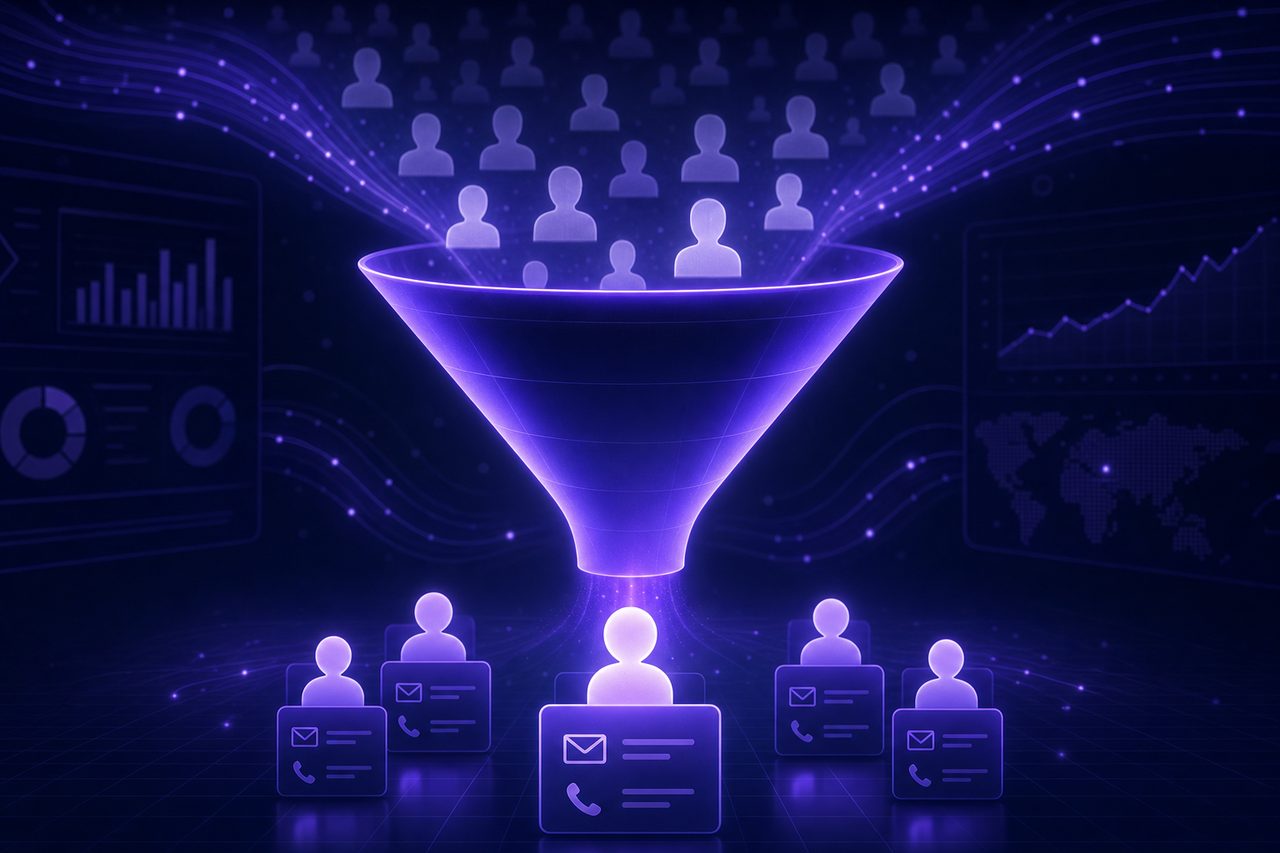
Every business wants more leads. More pipeline. More customers. So they invest heavily in driving traffic to their websites — advertising campaigns, content, landing page optimization, events, SEO. But despite all that effort, most visitors never become leads.
Research has consistently shown that only a small percentage of website visitors ever complete a form or request a demo. The vast majority remain anonymous, even when they exhibit meaningful buying intent. For years, marketers accepted this as a normal part of doing business. But what if it didn't have to be? What if there was a systematic way to uncover hidden opportunities within the audience you already attract?
At Unlockedly, we call this process the VIRAL Framework™.
What is the VIRAL Framework?
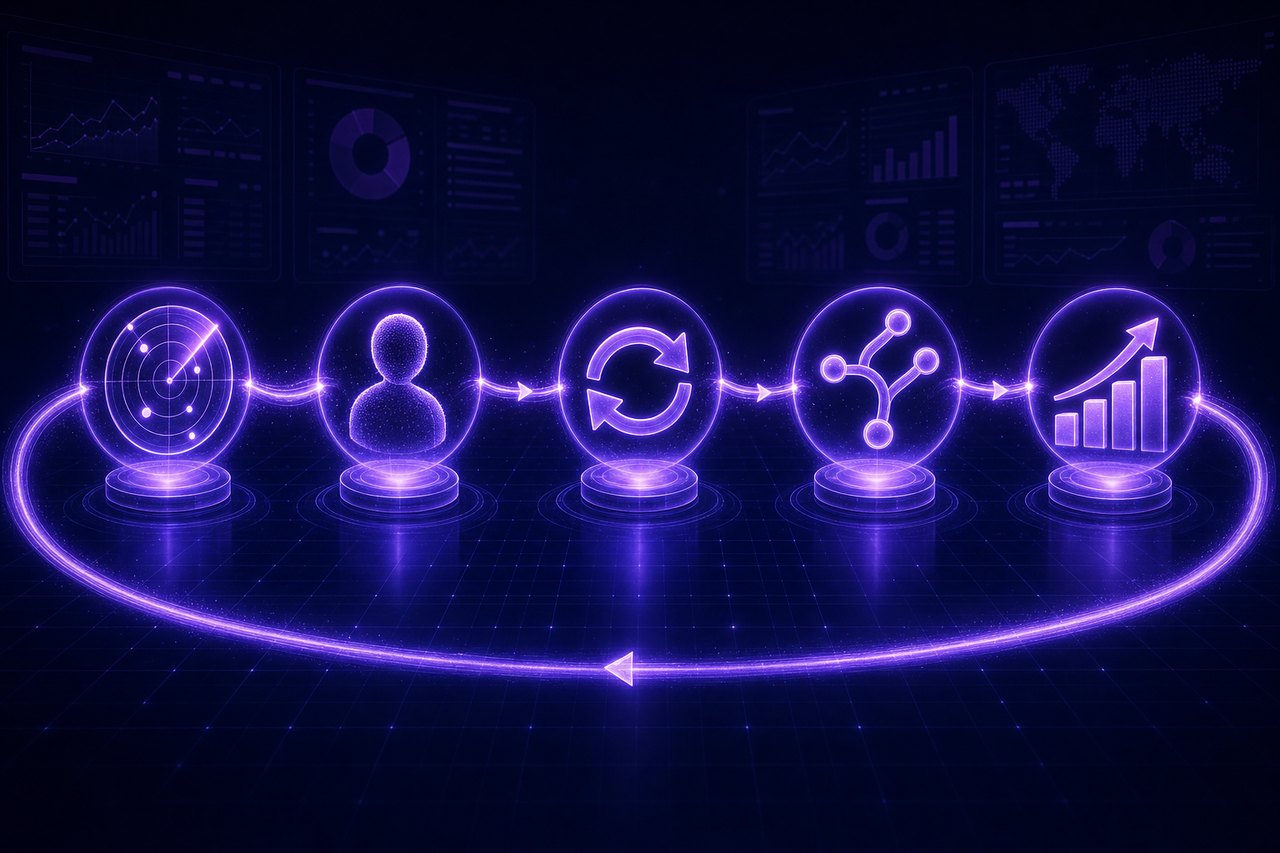
The VIRAL Framework is a five-stage methodology designed to help organizations transform anonymous digital engagement into measurable revenue outcomes. VIRAL stands for:
- V — Validate Intent
- I — Identify People
- R — Reconnect
- A — Activate Journeys
- L — Lift Revenue
The framework provides a structured approach to recognizing opportunity earlier, creating more relevant customer experiences, and maximizing the value of existing website traffic. It isn't designed to replace traditional lead generation — it enhances it.
Why businesses need a new framework
Most marketing systems are built around a single event: the form submission. Someone fills out a contact request, downloads a guide, or registers for a webinar — and only then does the organization begin treating them as an opportunity.
The problem is that modern buyers rarely follow such a linear path. They compare vendors, review case studies, visit pricing pages, and return multiple times before ever identifying themselves. According to Gartner research, B2B buyers spend only a small fraction of their overall buying journey interacting directly with suppliers (Gartner). This means valuable signals — the GHOST Traffic™ in your audience — often exist long before a prospect raises their hand.
Stage one: Validate Intent
The first step is understanding whether meaningful intent exists. Not every visitor is a prospect. Some arrive accidentally; others are simply gathering information with no immediate need. Intent validation focuses on identifying behaviors associated with genuine interest — repeat visits, pricing page engagement, time spent reviewing products, consumption of case studies, visits to implementation resources, and interaction with industry-specific content.
Intent validation helps businesses prioritize quality over quantity. The goal isn't identifying everyone — it's recognizing the visitors who matter most.
Key question: Is this visitor demonstrating behaviors consistent with future purchasing activity?
Stage two: Identify People
Once intent has been validated, organizations seek to understand who may be behind the engagement. This stage moves beyond anonymous activity. Identity creates context. Context creates opportunity.
It's important to note that identification alone is not the objective. Knowing who someone is without understanding how to serve them creates limited value. Identification is valuable because it enables more meaningful experiences.
Key question: Who may be exhibiting these signals, and how can we better understand their needs?
Stage three: Reconnect
Traditional marketing waits for prospects to initiate the next step. The VIRAL Framework recognizes that timing matters. Reconnect focuses on creating opportunities for continued engagement — personalized advertising experiences, relevant educational resources, targeted nurturing campaigns, contextual messaging, and audience segmentation strategies.
The objective is not aggressive outreach. It's remaining helpful and relevant throughout the buying journey.
Key question: How can we continue the conversation in ways that provide genuine value?
Stage four: Activate Journeys
Recognition without action changes nothing. Activation transforms insights into experiences. Modern buyers expect personalization — research from McKinsey found that 71% of consumers expect companies to deliver personalized interactions (McKinsey). This stage is where Identity Activation™ does its work: aligning engagement with demonstrated interests through industry-specific nurture sequences, customized educational pathways, product-specific messaging, intent-driven workflows, and sales enablement triggers.
Key question: What experience should this individual have next?
Stage five: Lift Revenue
Ultimately, every initiative should connect to business outcomes. Traffic alone is not success. Engagement alone is not success. Even leads alone are not success. The final stage focuses on measuring impact — marketing efficiency, sales productivity, pipeline visibility, revenue attribution, customer acquisition effectiveness, and return on advertising investment.
Key question: Are these efforts contributing to stronger revenue outcomes?
How the VIRAL Framework works together
The stages build upon one another. Intent without identification limits context. Identification without activation limits value. Activation without measurement limits learning. Together, they form a continuous cycle: Validate Intent → Identify People → Reconnect → Activate Journeys → Lift Revenue → then repeat. As businesses learn more about their audiences, their strategies become increasingly effective.
Common misconceptions
"This replaces traditional lead generation."
It doesn't. Forms remain valuable. The VIRAL Framework simply acknowledges that opportunities often emerge before forms are completed.
"Every visitor should be treated as a lead."
Absolutely not. Intent validation exists precisely to distinguish meaningful opportunities from casual traffic.
"This is only relevant for large enterprises."
Organizations of all sizes can benefit from improving how they recognize and respond to customer intent. The underlying principles apply regardless of scale.
How it all connects
Revenue Identity™ provides the philosophy. GHOST Traffic™ identifies the challenge. Identity Activation™ creates meaningful engagement. The VIRAL Framework operationalizes the entire process. It transforms ideas into action — because frameworks don't create results. Execution does.
Final thoughts
For decades, businesses have focused almost exclusively on generating more leads. The organizations that thrive in the future may approach growth differently. They'll recognize that their websites already contain valuable signals. They'll understand that meaningful relationships begin long before forms are completed. And they'll develop repeatable systems for creating value from the opportunities already surrounding them.
The VIRAL Framework represents one such system. Not a shortcut. Not a silver bullet. But a practical methodology for turning anonymous engagement into measurable business outcomes. Because sometimes growth isn't about attracting more people — sometimes it's about understanding and serving the people who are already paying attention.
Frequently asked questions
What is the VIRAL Framework?
The VIRAL Framework is a five-stage methodology for turning anonymous website engagement into measurable revenue. VIRAL stands for Validate Intent, Identify People, Reconnect, Activate Journeys, and Lift Revenue.
What does VIRAL stand for?
VIRAL stands for Validate Intent, Identify People, Reconnect, Activate Journeys, and Lift Revenue — five sequential stages that form a continuous, repeatable revenue cycle.
Does the VIRAL Framework replace traditional lead generation?
No. The VIRAL Framework enhances traditional lead generation rather than replacing it. Forms still matter — but the framework captures the opportunities that exist before a form is ever completed.
Who created the VIRAL Framework?
The VIRAL Framework™ was created by Unlockedly as a practical methodology for operationalizing Revenue Identity™ — turning anonymous, high-intent traffic into measurable revenue.
Start unlocking your traffic today
Add the consent banner to your site, fund your account, and only pay for the contacts you unlock — from 10¢ each.
Get started →